
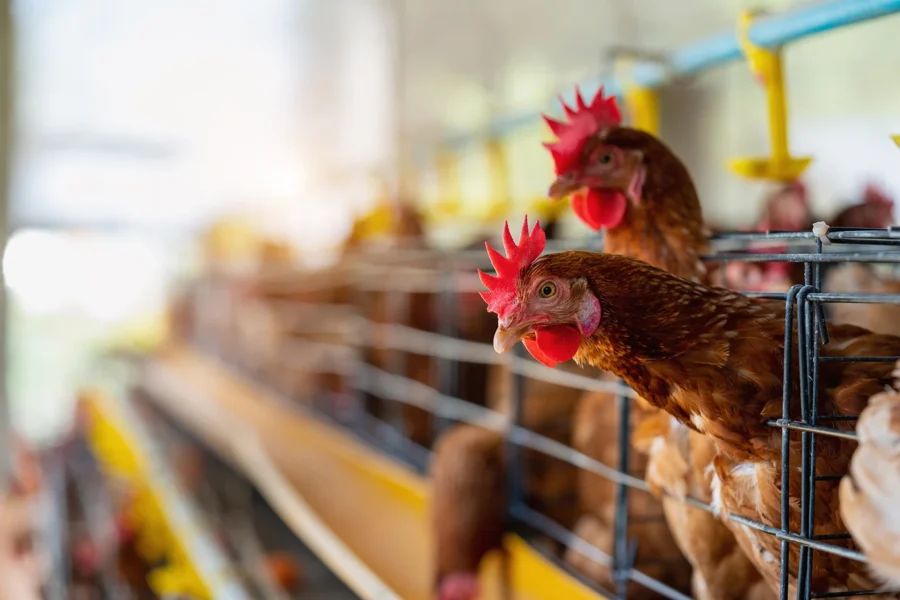
Poultry Farming and Slaughterhouse Facilities: Biosecurity, Efficiency, and EU-Standard Production
The poultry sector constitutes one of the most important pillars of animal protein production in Turkey. The sector, which has significant potential in white meat and egg production, has reached a level where it can compete in international markets through modern production techniques and the provision of hygienic conditions. Poultry farming and slaughterhouse facilities are complex structures requiring the consideration of many factors together, from biosecurity to automation.
Biosecurity and Design in Poultry Facilities
A poultry facility project encompasses many factors critical for animal health and productivity. The primary consideration in the design of a modern poultry facility is biosecurity. Biosecurity covers all measures taken to prevent disease agents from entering the facility and to prevent their spread within the facility.
In terms of biosecurity, the site selection of poultry houses is of great importance. Facilities should be located in areas away from other livestock operations and heavy human traffic. Personnel disinfection units, vehicle disinfection pools, and quarantine areas should be established at poultry house entrances. Additionally, sufficient distance should be left between each poultry unit, and a clear clean-dirty area separation should be made within the facility.
In broiler house design, the balance between animal welfare and productivity must be considered. Indoor climate control, ventilation, lighting, and feeding systems should be optimized according to animal needs. Automatic feeding systems control feed consumption, preventing waste and saving labor. Similarly, automatic watering systems regulate water consumption and help maintain hygienic conditions.
In egg production facility projects, special equipment such as nesting boxes, egg collection belts, and egg grading units come into play. In modern facilities, eggs are automatically collected, cleaned, graded, and packaged. Thus, while labor costs decrease, product quality and standardization increase.
Modern Chicken Slaughterhouses and Processing Facilities
A modern chicken slaughterhouse is a complex facility involving a series of processes from live animal reception to the packaging stage. In slaughterhouse projects, EU-standard hygiene conditions, waste management, and workflow diagrams to prevent cross-contamination are of great importance.
The slaughter process typically consists of the following stages:
- Live animal reception and resting: Holding animals under appropriate conditions to reduce stress before slaughter
- Hanging and stunning: Stunning process using methods appropriate for animal welfare
- Slaughter and bleeding: Slaughter process under hygienic conditions
- Plucking and feather removal: Cleaning feathers with automatic plucking machines
- Evisceration: Removal of internal organs under veterinary control
- Chilling: Rapid cooling of carcasses to stop microbial growth
- Cutting and packaging: Cutting and packaging products according to customer demands
A poultry processing facility is where products are subjected to further processing after the slaughterhouse stage. In these facilities, broilers can be cut into portions such as thighs, breasts, wings; processed into products like minced meat or schnitzel; marinated; or cooked products (roast chicken, nuggets, etc.) can be produced.
Waste Management and Environmental Protection
Slaughterhouses and processing facilities have high potential for organic waste and wastewater. Therefore, waste management and wastewater treatment systems are of great importance in facility projects.
Wastewater generated in poultry slaughterhouses contains high amounts of organic matter, blood, fat, and protein. Direct discharge of this water into receiving environments can cause serious environmental problems. Therefore, appropriate treatment technologies should be used in facilities. Advanced biological treatment systems effectively remove organic pollutants from wastewater, ensuring the water meets discharge standards.
Additionally, slaughterhouse waste (feathers, blood, internal organs, etc.) can be appropriately evaluated and transformed into value-added products. For example, these wastes can be processed and used in animal feed or biogas production. Facilities designed in line with circular economy principles treat wastes as resources rather than disposing of them.
Investment Incentives and Grants
Poultry meat and egg production facilities are among the priority sectors supported under TKDK IPARD and KKYDP programs. With the IPARD 3 period, organic poultry meat (broiler, turkey, goose) and laying hen production have also been included in the support scope.
Supported investment items include:
- New facility construction or modernization/expansion of existing facilities
- Machinery and equipment purchases
- Cooling and freezing systems
- Wastewater treatment and environmental arrangement works
- Renewable energy systems providing energy efficiency
Our company stands by you with its expert team in your poultry farming and slaughterhouse facility investments, during project design, permit process management, grant applications, and commissioning stages. With our projects prioritizing animal welfare, biosecurity, and efficiency, we help you establish highly competitive facilities in national and international markets.