
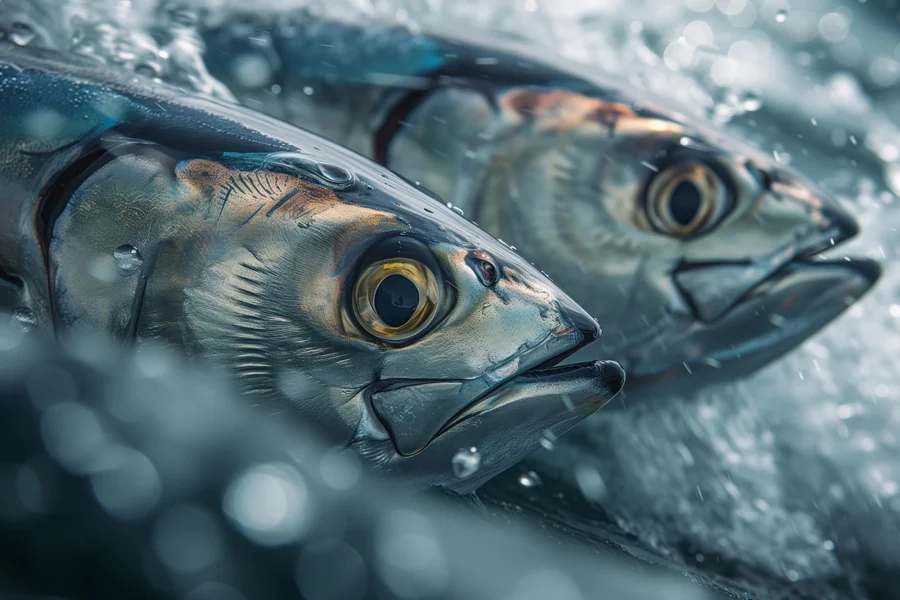
Fish Processing Facilities: Cold Chain, Hygiene, and Value-Added Production in Seafood
Seafood is an important protein source in human nutrition, and its consumption is increasing worldwide. Turkey, with its geography surrounded by seas on three sides and inland water resources, has significant potential in aquaculture and fishing. Fish processing facilities are critical structures that transform this potential into added value, extend product shelf life, and enable access to international markets.
Basic Principles in Seafood Processing Facilities
In seafood processing facility design, the delicate structure of the product and its susceptibility to spoilage must be considered. Fish and other seafood begin to deteriorate from the moment they are caught or harvested. Therefore, rapid intervention, hygiene, and uninterrupted cold chain maintenance are of vital importance in processing facilities.
The main sections required in a seafood processing facility are:
Raw material reception unit: Section where products are received, weighed, classified, and recorded
Pre-processing unit: Section where products are cleaned, eviscerated, and parts such as heads and tails are removed
Filleting unit: Section where fish are filleted, skinned, and deboned
Processing unit: Section where products are smoked, salted, marinated, or subjected to different processes
Blast freezing and freezing unit: Section where products are rapidly frozen to extend shelf life
Packaging unit: Section where products are packaged under hygienic conditions
Cold storage: Cold room where packaged products are stored until shipment
Fish Filleting Line and Processing Technologies
The fish filleting line is a production line where fresh fish are processed and made ready for the consumer. In modern facilities, filleting is performed with automatic machines. These machines are adjusted according to fish species and size, providing high efficiency and standardization.
After the filleting process, products may be subjected to additional processes such as skinning, pin bone removal, and trimming. The resulting fillets can be packaged fresh or made into frozen, smoked, or marinated products.
Other technologies used in fish processing facilities include:
Automatic sorting systems: Systems that separate fish by size and weight
Vacuum packaging machines: Machines that extend shelf life by packaging products in an oxygen-free environment
Modified atmosphere packaging (MAP) systems: Systems that keep products fresh longer by altering the gas composition inside the package
Metal detectors and foreign material removal systems: Control equipment ensuring product safety
Blast Freezing Rooms and Freezing Technologies
A blast freezing room is a specially equipped room that ensures the preservation of fish quality by rapid freezing. The blast freezing process prevents the formation of large ice crystals in the product’s cell structure, ensuring that after thawing, the product is indistinguishable from fresh product.
Temperatures in blast freezing rooms are typically between -30°C and -40°C. At these temperatures, the product’s core temperature drops below -18°C in a short time. After the blast freezing process is completed, products are transferred to deep freeze storage at -18°C to -25°C for preservation.
Different methods exist in terms of freezing technologies:
Air blast freezing: Freezing by blowing cold air at high speed over the product
Plate freezing: Freezing products by compressing them between cooled plates
Cryogenic freezing: Very rapid freezing using liquid nitrogen or carbon dioxide
Cold Chain Management
Seafood cold chain refers to keeping the product continuously within a specific temperature range from the moment of catch or harvest until it reaches the consumer. A break in the cold chain at any point can lead to deterioration of product quality and even make it unsuitable for consumption.
Critical points in cold chain management are:
Rapid cooling after harvest/catch: Immediate cooling of products (icing, chilled water, blast freezing)
Cold chain during transportation: Transport in refrigerated vehicles, temperature recording and monitoring
Storage at processing facility: Storage at appropriate temperatures within the facility
Packaging and shipment: Continuation of cold chain during shipment
Retail points: Display under appropriate conditions in markets and fishmongers
Fish Meal and Oil Facilities
A fish meal and oil facility processes by-products from fish processing (heads, bones, viscera, etc.) or fish not suitable for human consumption to produce fish meal and fish oil. These facilities both contribute to waste management and produce valuable raw materials for animal feed and human nutritional supplements.
The fish meal and oil production process typically consists of the following stages:
Cooking: Cooking raw materials at high temperature
Pressing: Separating the liquid phase from cooked material (fish oil + water + protein)
Separation: Separating fish oil from the liquid phase (centrifugation)
Drying: Drying the press cake to produce fish meal
Grinding and packaging: Grinding and packaging fish meal
Fish meal is an important component of feed used particularly in aquaculture. Fish oil is used both in the feed industry and as an omega-3 supplement for human consumption.
Investment Incentives and Grants
Seafood processing facilities are among the sectors supported under TKDK IPARD and KKYDP programs. Grant support is provided for the establishment and modernization of seafood processing facilities under the Processing and Marketing of Agricultural and Fishery Products measure.
Supported investment items include:
New facility construction or modernization of existing facilities
Processing, filleting, smoking, freezing equipment
Cold storage and cooling systems
Packaging machines
Wastewater treatment systems
Quality control laboratory equipment
Additionally, aquaculture facilities are also encouraged under different support programs. Processing facilities operating in integration with aquaculture facilities gain a more competitive structure with both raw material supply security and horizontal integration advantages.
Our company stands by you with its expert team in all stages of your fish processing facility investments, from feasibility studies to project design, grant application processes to commissioning. With our projects prioritizing cold chain management, hygiene conditions, and product quality, we help you establish highly competitive facilities in national and international markets.