
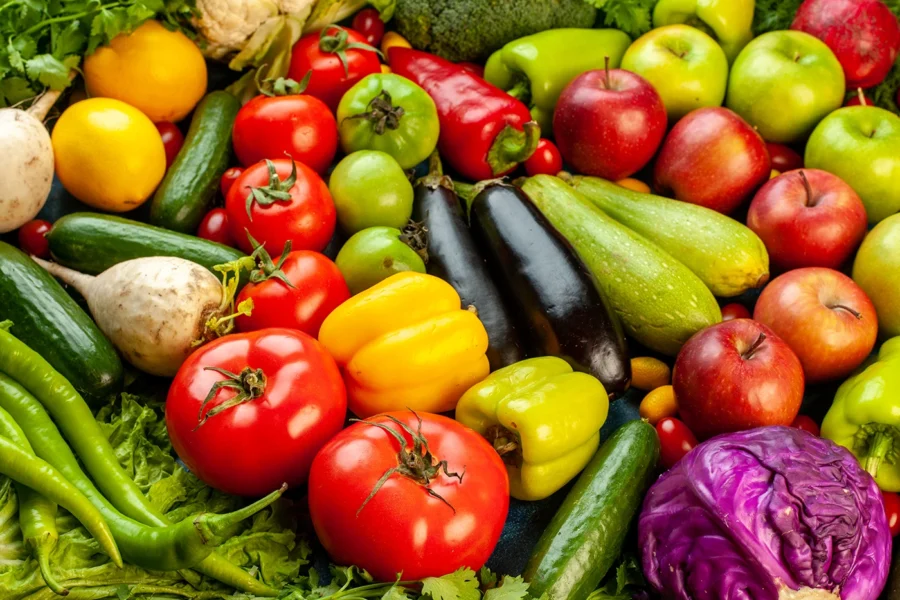
Vegetable and Fruit Facilities: Value-Added Production from Harvest to Table and Cold Chain Management
Turkey is one of the world’s important agricultural countries with its fertile lands and favorable climatic conditions. However, post-harvest losses of produced vegetables and fruits constitute one of the sector’s biggest problems. Research shows that post-harvest losses can reach up to 30-40% in some product groups. At this point, modern vegetable and fruit processing facilities play a critical role in both preventing waste and adding value to agricultural products.
Fresh Vegetable and Fruit Packaging Facilities
Fresh vegetable and fruit packaging facilities are facilities that extend the post-harvest life of products, preserve their quality, and make them ready for the market. In these facilities, products are first sorted, classified, and graded. Sorting and packaging machines automatically separate products according to size, color, and quality criteria, ensuring standardization.
In modern packaging facilities, daily processing capacities can reach quite high levels. For example, a packaging facility that became operational in Antalya Kumluca has a daily processing capacity of 130-140 tons of fresh vegetables and fruits. Products carefully packaged in these facilities are protected by minimizing damage they may encounter during domestic and international transportation.
One of the most important issues to consider in packaging facilities is hygiene conditions. Washing and disinfection processes of products should be carried out with appropriate equipment and correct chemicals, and packaging areas should be designed in accordance with cleanliness and hygiene standards. Additionally, packaging materials must be suitable for food contact and selected according to product characteristics.
Cold Storage and Cold Chain Management
A cold storage project is indispensable for preserving the post-harvest quality of vegetables and fruits and extending their shelf life. Each product has its own specific temperature and humidity requirements. For example, long-term storage conditions required for apples are completely different from those required for bananas.
In modern cold storages, dynamic cooling systems and controlled atmosphere technologies are used. These systems precisely control temperature, humidity, and gas composition (oxygen, carbon dioxide, ethylene) inside the storage, slowing down the natural ripening process of products and extending storage time.
Fresh fruit and vegetable logistics require the uninterrupted continuation of the cold chain. Harvested products must be subjected to pre-cooling as soon as they leave the field or greenhouse, then transported to the packaging facility under cold chain conditions, and from there to the consumer. A break in any link of this chain can adversely affect product quality and shorten shelf life.
Fruit Juice and Frozen Food Production Facilities
A fruit juice production line is a facility where fresh fruits are processed and transformed into liquid form. In these facilities, fruits are washed, crushed, pressed, and the obtained fruit juice is pasteurized and bottled. The most important issues to consider in fruit juice production are preventing enzymatic deterioration, microbiological stability, and preserving nutritional values.
A frozen food facility preserves vegetables and fruits for long periods by maintaining their freshness. Before the freezing process, products are generally subjected to blast freezing. Blast freezing rooms freeze products in a very short time, minimizing ice crystal formation and preventing deterioration of the product’s cell structure. Thus, after thawing, the product becomes indistinguishable from fresh product.
Dried Fruit Processing Facilities and Tropical Products
A dried fruit processing facility enables products that cannot be evaluated during harvest period or are not suitable for fresh consumption to be dried and brought into the economy. In addition to traditional dried fruits such as apricots, figs, and grapes, vegetables such as tomatoes, peppers, and eggplants are now also dried and turned into value-added products.
In recent years, drying tropical fruits has also become widespread. Drying trials of products such as dragon fruit, mango, and avocado are being successfully conducted, and demand for these products is increasing both in the domestic market and in exports. The drying process extends the shelf life of products while reducing logistics costs thanks to lighter weight.
Dried products can be consumed as snacks and also supplied as raw materials to the food and pastry industry. For example, a fruit and vegetable drying facility established by a young entrepreneur in Manisa, with a daily processing capacity of 10 tons, dries products such as tomatoes, apples, pears, strawberries, mulberries, melons, and figs, both producing snack products and providing raw materials to industry.
Investment Incentives and Grants
Vegetable and fruit processing facilities can benefit from significant grant supports under the IPARD and KKYDP programs implemented by the Agriculture and Rural Development Support Institution (TKDK). Within the scope of this program:
- The project budget should be between €30,000 and €1,250,000.
- The base grant rate is 50%, and this rate can go up to 70% for producer organizations.
- Additional 10% grant support is provided for renewable energy use, wastewater treatment systems, recycling, and circular economy investments.
- Following project approval, 50% of the grant amount is paid in advance against a letter of guarantee.
Supported products include vegetables such as tomatoes, onions, peppers; fruits such as apples, pears, apricots, grapes, citrus; tropical fruits such as kiwi, avocado, mango; nuts such as almonds, hazelnuts, walnuts; and products such as olives and olive oil, herbal teas.
Our company stands by you with its expert team in all stages of your vegetable and fruit processing facility investments, from feasibility studies to project design, grant application processes to commissioning. With your value-added production facilities, you can both prevent waste and obtain maximum income from your agricultural products.